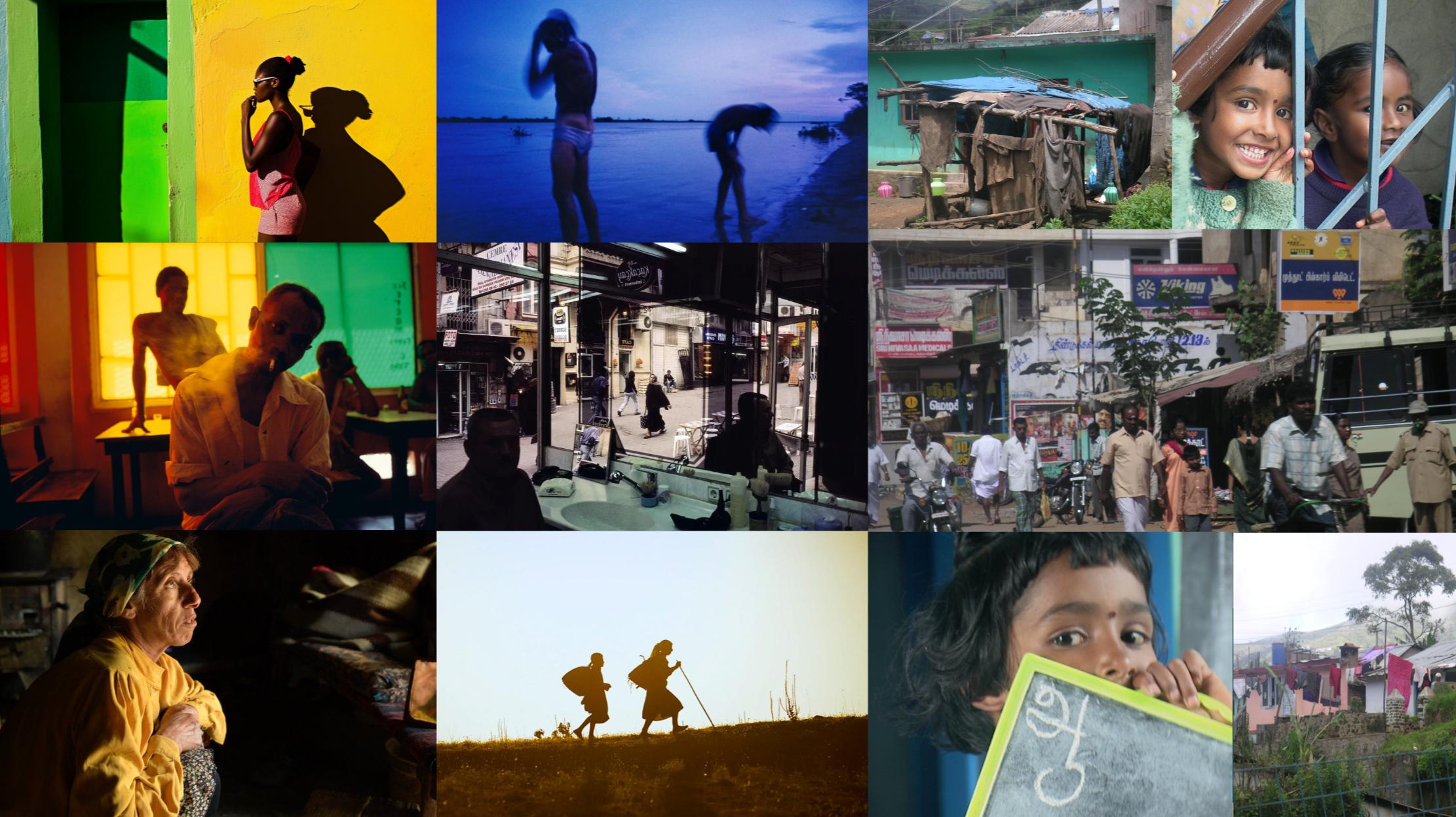
Discrimination and exploitation; inequality and the poverty trap; the young people who pursue their dreams in spite of them. These are the ever-present social issues and topics our film explores in the misty, green hills of Tamil Nadu, India.
2 moments in time, 2 decades apart - childhood and young adulthood - intimately capture the journey of a handful of ambitious dreamers from a youth spent in poverty, to the eventual achievement of those daring dreams.
Teaching Hope is an uplifting combination of ‘Seven Up!’, ‘Hoop Dreams’ and ‘Writing with Fire’, which will have audiences outraged by injustice, yet by the end reminded of their own strength, as reflected in our characters.
the indian caste system places one group at its' very bottom: Thedalit.
Labelled as ‘Untouchables’, any contact with them is taboo. They constitute roughly 3% of the world’s population.
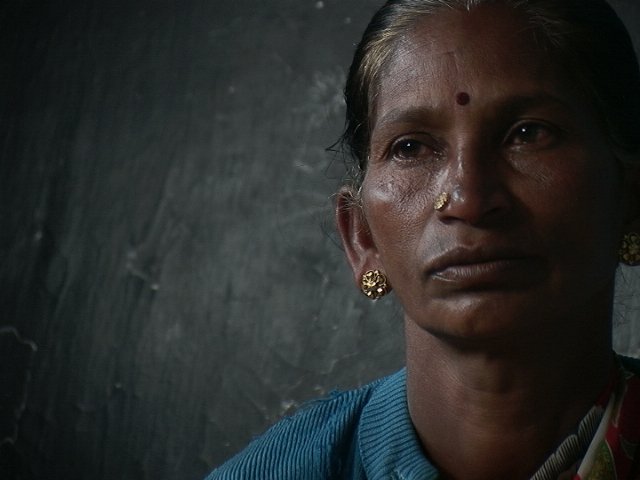
Excluded from healthcare and education, forced into punishing manual labour, and facing violent abuse, Dalit communities have been trapped in poverty for generations. A crime is committed against a Dalit every 18 minutes.
The film follows young Dalits casting aside these chains, chasing and achieving impossible dreams; from generations of discrimination to becoming doctors and engineers.
It will be an exploration of coming-of-age, the pursuit of childhood aspirations, and whether education and love can change lives.
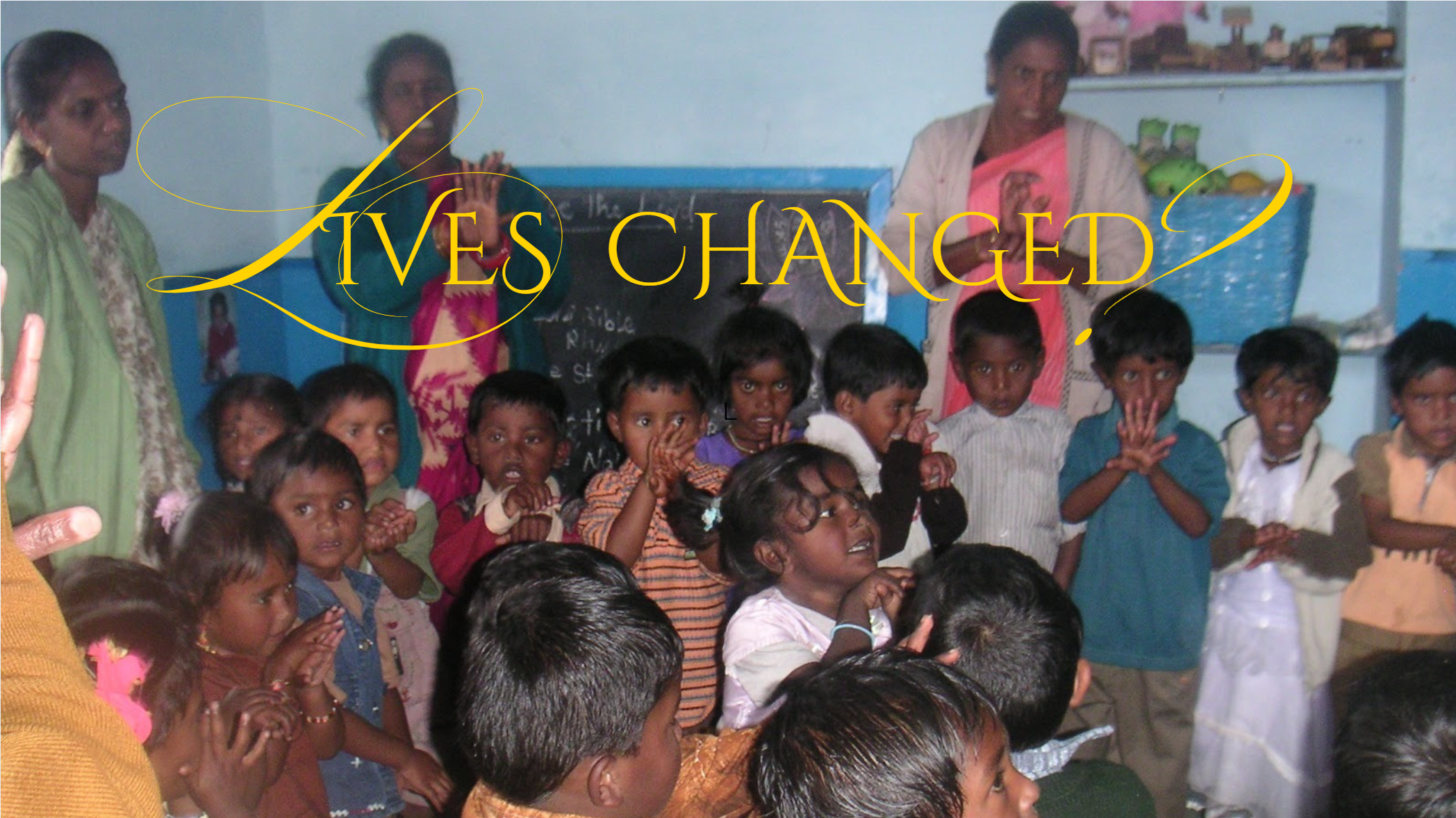
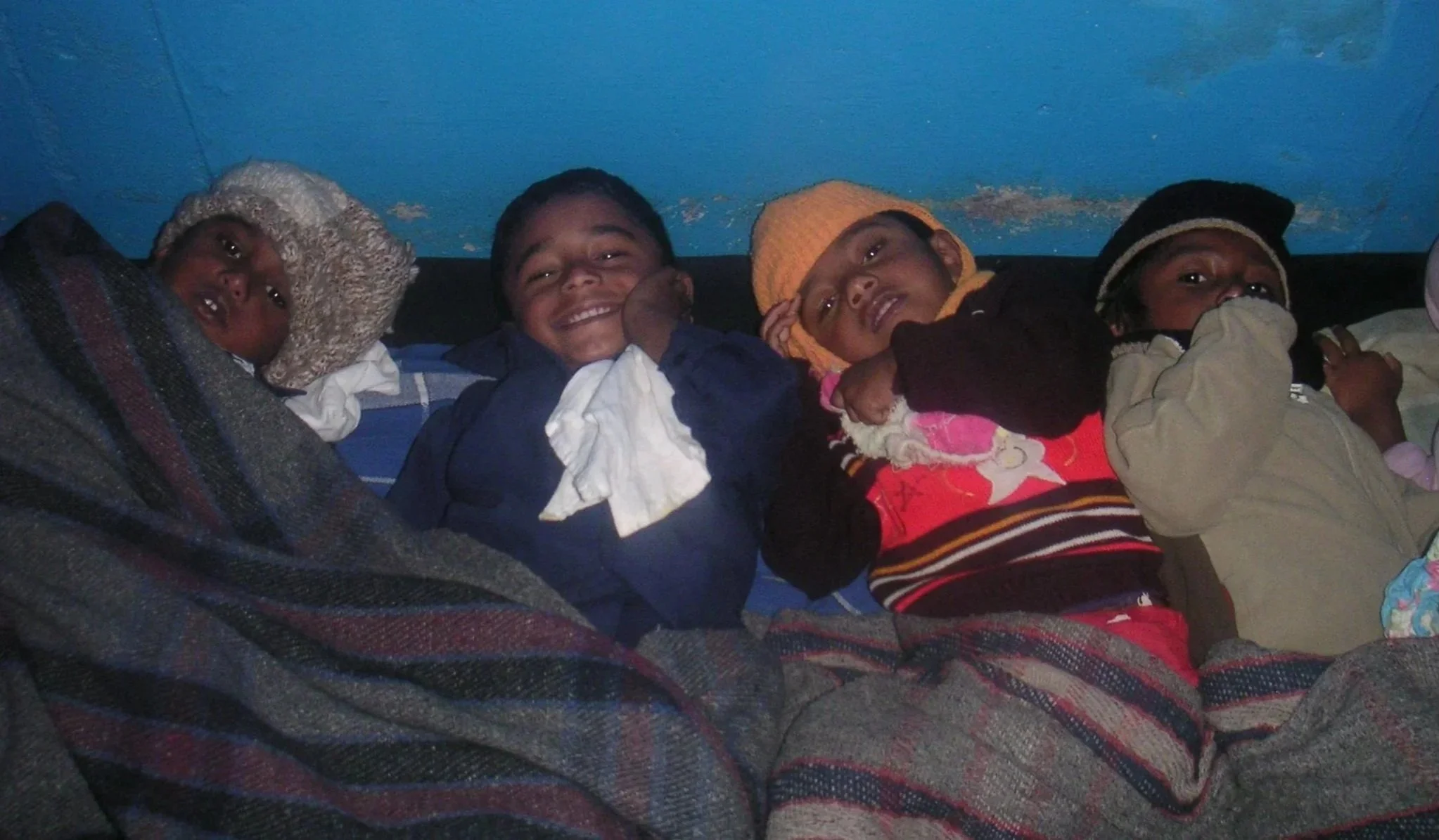
2005: Dalit children are trapped in poverty by an exploitative caste system in Tamil Nadu, India.
Determined to help these children, Hilda Isaac founded a grassroots women-led charity: the Betsy Elizabeth Trust.
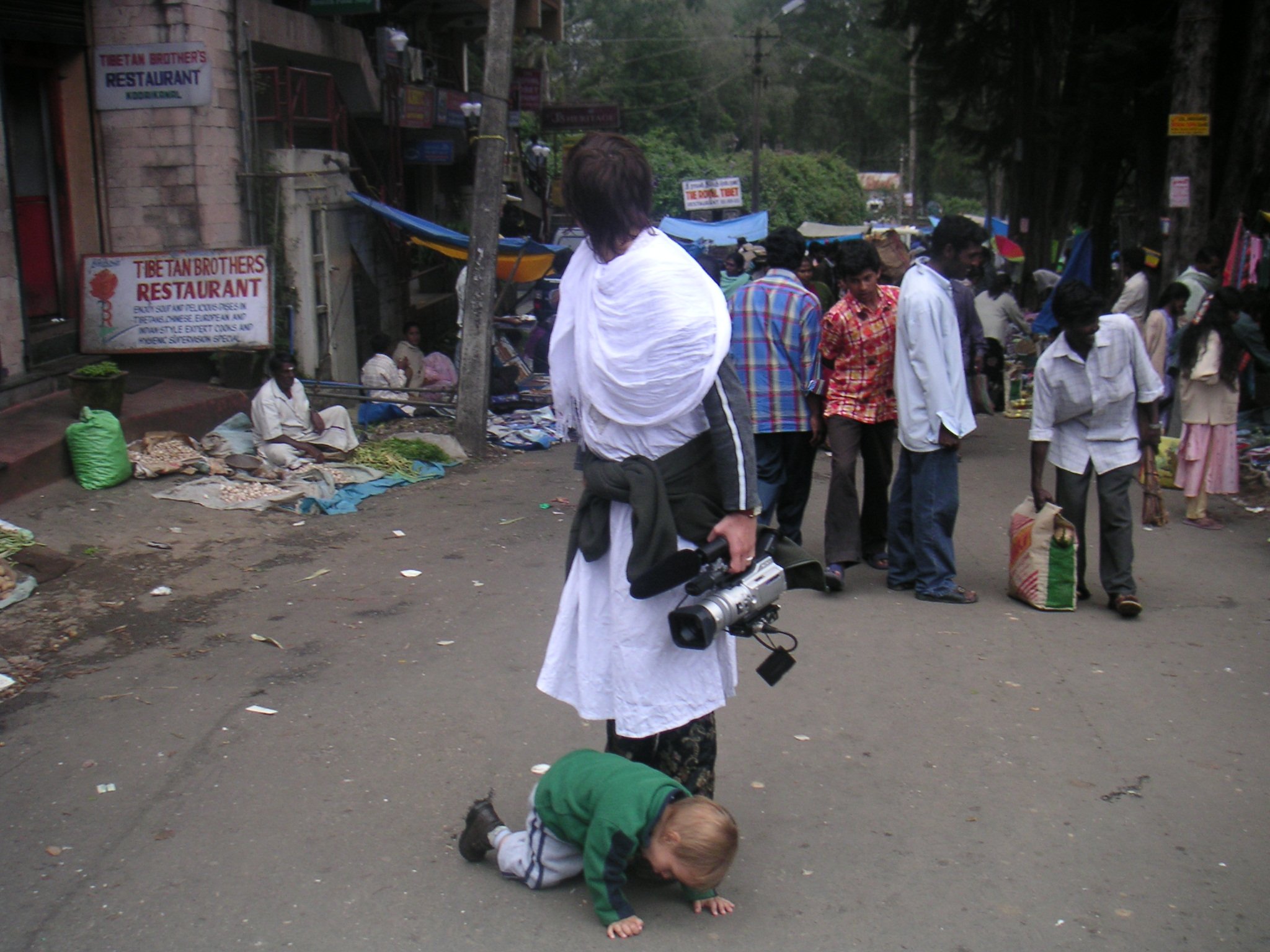
Young filmmaker Iga Czarnawska, the director’s mother, was invited to create an overview of their work. But she went deeper than that.
Upon gaining deep trust in a typically cautious and private community, Hilda gave Iga intimate access to document how ‘Untouchable’ children were provided education, hope, and the confidence to dream of lives better than those of their parents.
iga never completed the film - but their dreams remain captured on tape.
We intend to return and tell the stories of the children Iga interviewed a generation ago.
As young adults, have they broken out of the poverty cycle and achieved their childhood dreams?
our creative approach
A combination of directorial, cinematographic and editorial techniques will emotionally immerse audiences into our character’s lives.
Taking inspiration from ‘Honeyland’, rather than relying on static talking head interviews, we will use observational visual storytelling: comparing the two eras by recapturing the same characters, locations and shots. Filming the authentic ‘now’, we will share in the character’s intimate experience of life’s big challenges and successes, and all the little moments in-between.
Our visual approach is to juxtapose the vintage footage from 2005 with the new, cinematically modern footage to create an aesthetic contrast and nostalgic effect.
This will directly showcase the change in the individuals, the communities, and the environment over the 2 decades, cinematically portraying their journeys against social injustice through to success.